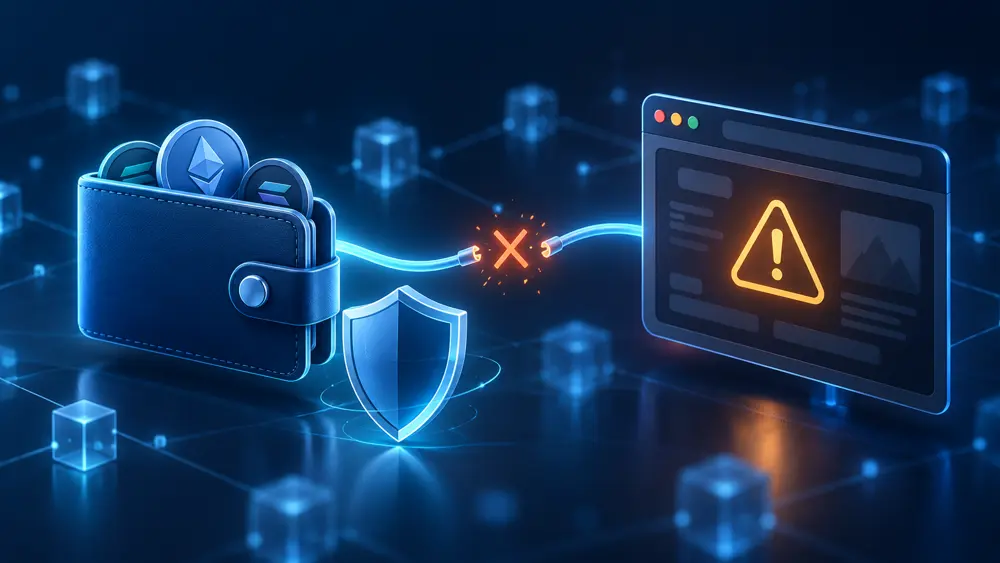

A convincing trading dashboard is easy to mistake for evidence. It has charts, account balances, support messages, and perhaps a growing profit figure. None of those screens, by themselves, tells you who controls the platform or where your deposit went.
Start with the exact company and website
Write down the domain and the legal entity named in the terms. Check whether the address is a lookalike of a known brand. An unexpected hyphen, extra word, or different domain ending deserves investigation. Reach the company through an independently found official route rather than the person promoting the investment.
The FBI’s investment-fraud guidance describes fake platforms and spoofed websites. This is a reason to verify identity carefully, not a reason to assume every unfamiliar platform is fraudulent.
Check regulatory claims in the right place
A logo saying “regulated” leaves several questions unanswered: which entity, which regulator, which services, and which country? Search the relevant regulator’s records yourself and compare the details. A company registration is not the same as authorisation for every financial activity.
For EU crypto services, our MiCA guide explains how to approach authorisation checks. A licence claim should match the entity serving your account, and authorisation does not eliminate investment risk.
Read the deposit and withdrawal terms together
Before transferring funds, look for supported networks, minimum amounts, withdrawal conditions, and applicable charges. Ask how customer assets are held and what happens if service is interrupted. If the explanation is unclear, do not fill in the gaps with assumptions.
Keep a copy of the terms you relied on. A dated record can be more useful than remembering a reassuring conversation with a promoter.
Recognise the fake-profit trap
A dashboard can display gains without those gains representing accessible assets. The CFTC and SEC warning on fraudulent trading websites describes demands for additional payments to release purported profits. Be especially cautious when a new deposit is presented as the only way to withdraw an existing balance.
Example: an account shows a large gain, but support asks for a separate transfer to a personal wallet before withdrawal. Stop and verify the claim independently. Do not assume paying once will resolve the issue.
Use a decision checklist, not one reassuring sign
- Can you identify the legal entity and independent contact route?
- Do regulatory records match the services being offered?
- Are costs and withdrawal conditions understandable?
- Is anyone promising returns or pressuring an immediate deposit?
- Can you explain the transaction and network you are about to use?
Work through our crypto safety checklist before acting. If pressure or unrealistic returns are part of the pitch, compare it with our scam warning signs. If money is already missing, preserve records and read our recovery scam guide before responding to offers.
By Team BizCryped. Educational checks do not certify a platform or guarantee the safety of a deposit.