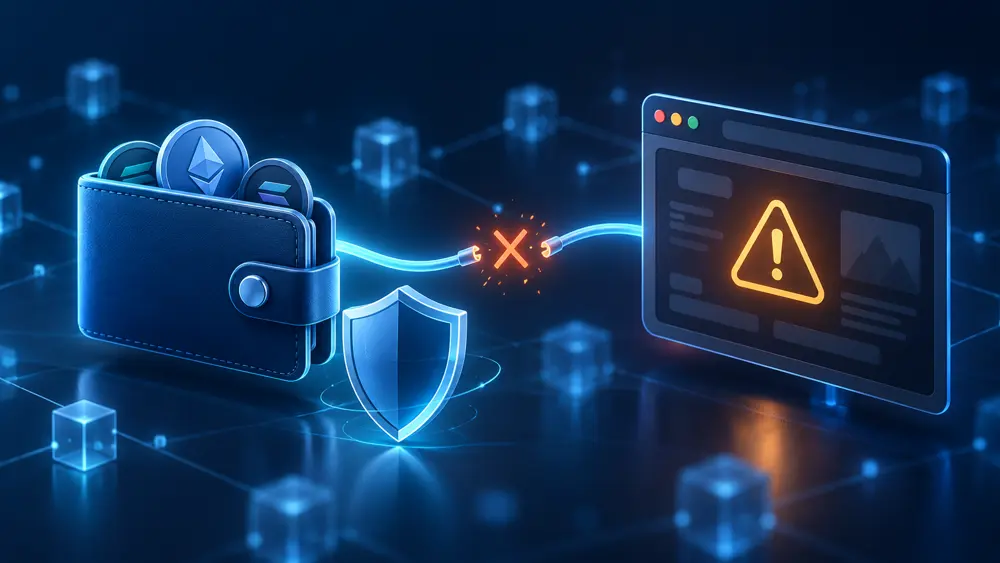
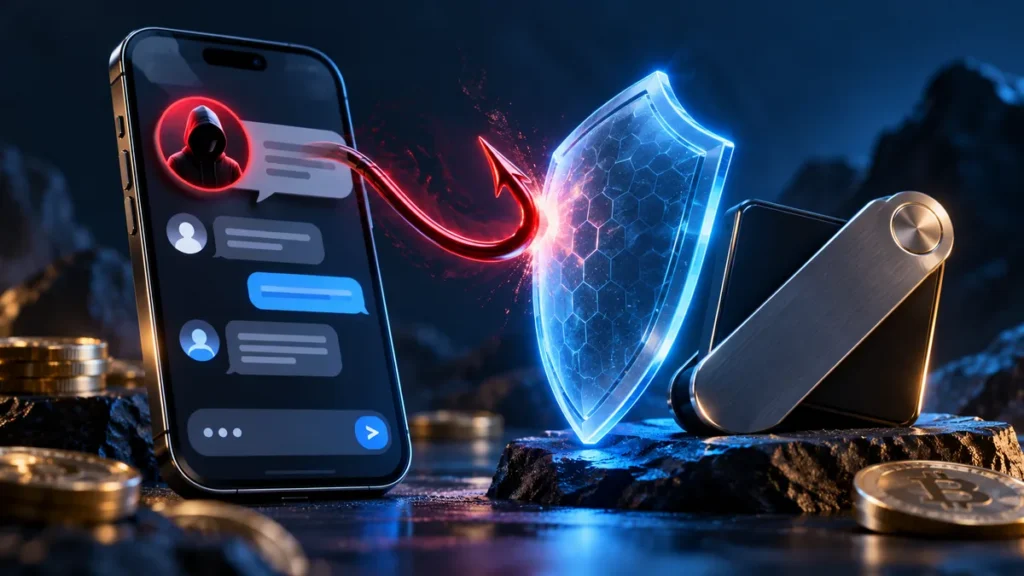
A wallet problem can be frustrating. A transaction is pending, a token looks missing, or an unfamiliar error appears. Then someone replies with a helpful-looking profile and a link to “synchronise” your wallet. Before opening that link, separate the problem from the person offering the solution.
What does a seed phrase control?
For wallets that use one, a seed phrase is a recovery secret used to recreate wallet accounts. It is different from a public receiving address. MetaMask’s recovery phrase guidance explains the distinction between the recovery phrase, password, and private keys. Follow the documentation for your own wallet; recovery arrangements differ across products.
Think of a public address as information you may need to receive a payment. A recovery secret belongs in a much smaller category: information that can grant control. A stranger who mixes those categories is asking you to take a serious risk.
How fake support creates pressure
The message may claim that your account is suspended, a migration is mandatory, or your assets will disappear unless you act immediately. It may use the wallet’s logo and refer to the problem you described publicly. Those details can be copied; they do not establish identity.
Common instructions include opening a private chat, installing an unfamiliar tool, and entering recovery words into a website. Some forms call the process verification or rectification. A technical-sounding label does not change the information being requested.
A practical way to check a support request
- Stop replying to the unsolicited contact.
- Open the wallet’s official help route independently, using a trusted bookmark or the app’s own help menu.
- Find documentation for the exact issue before following instructions.
- Check whether the proposed step requires secrets, a signature, a transfer, or an installation.
- If uncertain, pause rather than improvising with a live wallet.
Ethereum’s security guidance warns against sharing recovery phrases and private keys. Its broader safety advice also helps explain why familiarity with an interface should not replace checking a request.
Store recovery details deliberately
Choose a backup method that protects against both loss and unauthorised access. Consider who could see it, what happens if a device fails, and whether a household emergency would destroy your only copy. Do not put recovery details into an ordinary support ticket or public screenshot.
If a stranger offers paid assistance, read our guide to crypto recovery scams before you respond.
What if you already shared the phrase?
Treat it as compromised and stop entering it into other sites. Use independently verified guidance from the wallet provider on securing remaining assets. Changing an app password does not make a disclosed recovery phrase secret again. Avoid strangers offering an instant rescue for a fee.
Our safety checklist helps you review a request before acting. For the wider pattern, see how to spot a crypto scam.
By Team BizCryped. General education; wallet-specific recovery steps should come from verified documentation.
Three fake support messages and how to assess them
The following messages are invented examples. They illustrate warning signs rather than quotations from a real case.
Example 1: The wallet synchronisation form
Your wallet needs a security update. Enter your recovery words in our synchronisation form to restore access.
The requested information is the warning sign. A support form should not receive your recovery phrase. Close the link and open the wallet’s help section independently. See seed phrase vs private key if you are unsure which information is secret.
Example 2: The urgent transfer
Your funds are at risk. Send everything to the temporary safe address we provide within ten minutes.
A stranger is choosing the destination and creating pressure. Do not send funds on that instruction. Verify the issue through the provider’s official channel. A logo, profile badge or convincing account balance does not establish that the sender controls an official support account.
Example 3: The recovery payment
We traced your stolen crypto. Pay an unlock fee and we will return the balance.
A recovery promise can turn one loss into another. Do not pay based on a private message or dashboard screenshot. Our recovery-scam guide explains the pattern. The FTC describes upfront-payment recovery scams.
What you can share when asking for help
Describe the error and the steps that led to it without including secrets. A public transaction hash or receiving address may help legitimate support investigate an issue, but it can also expose your transaction history. Crop screenshots carefully and check for names, balances, authentication codes and backup information before sending them. Never give remote control of your device to an unsolicited contact.
Before following a support instruction
Ask what the proposed action actually authorizes. Connecting a wallet, approving token spending, signing a message and sending a transaction are different actions. If you cannot explain the permission requested, pause and consult official documentation. Disconnecting a site is not the same as revoking an approval and cannot repair a leaked phrase.
Open the six-point safety checklist to review the request. Completing the checklist does not verify the sender or make a transaction safe.
Expanded and reviewed 24 October 2026 by Team BizCryped. Additional reference: MetaMask basic security guidance.